


Not all ribeyes are equal; there’s a hierarchy that impacts flavor and juiciness.
When it comes to steak, the details matter.
The specific part of the ribeye you choose can enhance your culinary experience tremendously.
While many diners may not realize the nuance of ribeye cuts, it’s essential.
The ribeye runs from the sixth to the twelfth rib of the cow, and this location significantly affects the taste and tenderness of the meat.
Among these various choices, the chuck end, which includes ribs six through nine, stands out as a favorite among chefs and steak enthusiasts alike.
Why is the chuck end so celebrated?
The answer lies in its generous fat content.
This section features a thick fat cap along with ample intramuscular marbling.
As the meat cooks, that rich fat beautifully renders into the steak, leading to a juicy, flavorful result.
Conversely, the loin end (ribs ten through twelve) has a more uniform longissimus dorsi muscle known as the classic “eye.”
Though incredibly tender, this cut offers less fat, resulting in a drier, less flavorful steak.
The chuck end delivers a delightful experience, featuring the marbled spinalis dorsi, or ribeye cap, along with smaller muscles and additional fat pockets.
When cooked, these characteristics contribute to a complex, beefy richness in every bite.
How to buy and cook a chuck ribeye or ribeye cap
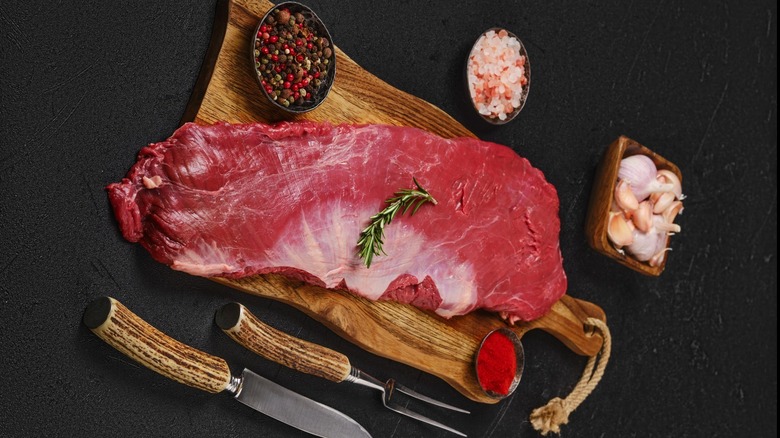
Locating ribeye cap may require some determination, but the extra effort is worth it.
Your first stop could be a membership store like Costco, which often stocks ribeye chuck.
Online marketplaces also offer options, but prices may vary.
A well-regarded local butcher might be your best bet; just remember to place your order in advance.
Alternatively, consider purchasing a whole ribeye roll to prepare at home.
Although this might initially seem expensive, it often saves time and results in more flexibility.
Ribeye cap is usually rolled tightly and tied with butcher’s twine before being sliced into steaks that resemble small filets, ensuring consistent marbling and sizing.
When it’s time to cook, simplicity reigns supreme.
Allow the meat to reach room temperature before seasoning generously with salt and pepper.
The natural marbling provides the flavor foundation, allowing your seasonings to enhance rather than overpower.
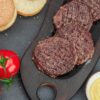
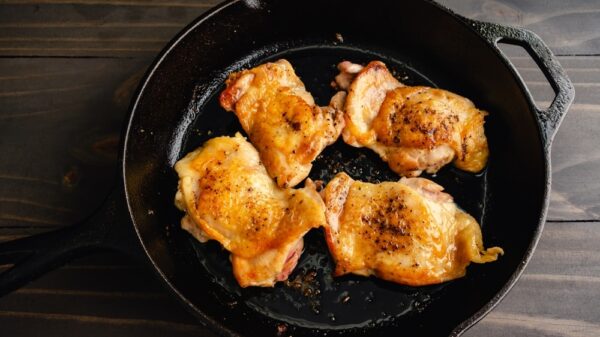
Given the richness of the cap, cook it quickly over high heat using a cast-iron skillet or hot grill.
Aim for about 3 to 4 minutes per side, checking for an internal temperature of 125 to 130 degrees Fahrenheit for medium-rare.
After cooking, let the steak rest for five minutes or longer.
Doing so will ensure an incredibly satisfying steak experience.
To truly appreciate what makes a ribeye special, start by asking your butcher for the chuck end.
Your palate will certainly be grateful.