







Your microwave can surprise you with its versatility. If you’re in a bind, it can even serve as an unconventional fryer.
Microwaves use electromagnetic waves to agitate water molecules, heating food from the inside out. So, does this equate to frying? Not exactly. The food won’t fry in the traditional manner, but the oil can heat enough to create a light sear on the surface. This makes microwave frying best for small, thin items like fried onions that can enhance a salad, or garlic chips that add flavor to a bowl of creamy cauliflower soup. For larger items requiring deep frying, stick to the stovetop.
For microwave frying small aromatics, place them in a shallow bowl with oil and heat in short spurts, checking frequently for doneness. Safety should be your top priority. Always cover the bowl with a damp paper towel to catch any oil splatter. Keep a vigilant eye on the oil, as it can smoke and potentially ignite if it gets too hot. Steer clear of low smoke-point oils like unrefined oils or extra-virgin olive oil. Safer options include neutral oils like sunflower or canola. However, for optimal crispiness, you’re better off using the stovetop.
More conventional uses for the microwave
While frying may not be the safest or most effective use of your microwave, there are other unconventional methods you can explore. For example, try “roasting” garlic. Although it’s not exactly the same as traditional roasting, the result can be surprisingly similar. Cut off the top of the garlic head, add olive oil, salt, and pepper, place it in a microwave-safe dish with a small amount of water, cover, and heat on medium for up to 10 minutes. Once it’s done, the cloves should pop out easily, making an excellent base for soups and spreads. Just a note: Avoid using aluminum foil, as it does not mix well with microwaves.
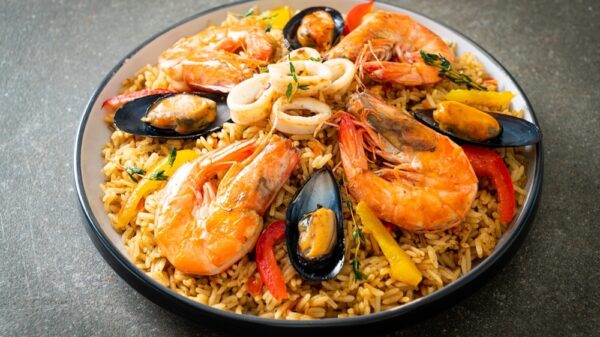
Additionally, you can utilize the microwave for more common tasks. One of its greatest features is reheating food. With a few simple tricks, you can make leftovers taste almost as fresh as when they were first cooked. High-moisture foods like soups reheat wonderfully in the microwave, warming evenly without drying out. For rice, add a few drops of water, then cover with a microwave-safe lid or damp paper towel to create a steaming environment. It’s important to spread the food out for consistent heating.