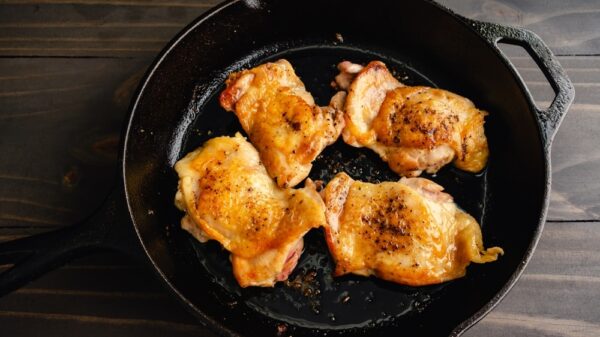




When heat is applied to meat, the exterior cooks significantly faster than the interior. This is why steaks get that beautiful char while often remaining pink and perfectly tender inside. However, for a large piece like a 13-pound prime rib roast, the inner section will require much longer to reach the desired temperature compared to the surface. If you place a cold roast straight into the oven, you may end up with a charred exterior, matched with an interior that is not only undercooked but potentially unsafe to consume.
Achieve the Right Temperature for Even Cooking
How can you properly defrost a hefty prime rib roast? The USDA recommends thawing meat in the refrigerator. A good rule to follow is that it requires about 24 hours to thaw every 5 pounds of meat in the fridge. So, start by calculating how long the prime rib needs to stay there based on its weight. Once you’ve got those figures, count backward from your planned cooking day. Remember, raw meat can be safely thawed in the fridge for as long as five days.
Make some room in the fridge and set the meat (still in its packaging) on a rimmed tray. Keep the packaging intact to keep germs at bay. After ensuring the prime rib is completely defrosted based on your calculations, bring it out of the fridge so it can sit at room temperature for about an hour before cooking. This will help prevent uneven cooking and increase the chances of your roast being the star of your dinner event.
There are so many prime rib recipes to explore. Give the garlic and herb prime rib a try, especially when served with a zesty horseradish and blue cheese dressing. And if you happen to have leftovers, cooked prime rib can last up to four days in the fridge. That’s ample time to enjoy the delicious beef in sandwiches, pastas, or a quick stir-fry.