






Potato salad is the undisputed heavy hitter of the backyard barbecue, yet it remains one of the most polarizing dishes on the picnic table. The culprit is almost always the dressing. For some, a creamy, egg-based mayonnaise is the gold standard; for others, it is a heavy, cloying dealbreaker—especially when a bowl has been sitting in the summer sun. To bridge the gap between traditional comfort and modern culinary flair, look toward the Italian coast. Swapping the heavy white binder for a vibrant, herbaceous pesto doesn’t just lighten the dish; it transforms a humble side into a sophisticated, gourmet centerpiece.
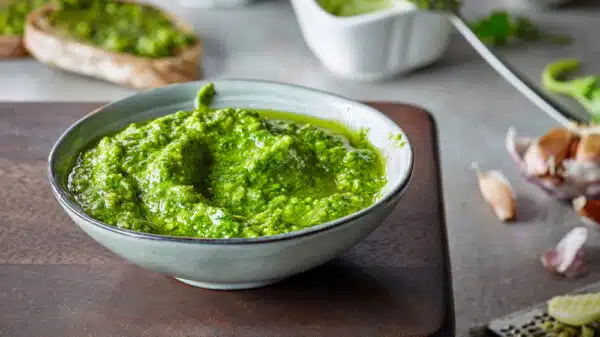
Pesto offers a complex profile of peppery basil, sharp garlic, and rich olive oil that coats the potatoes rather than masking them. This substitution is particularly effective because the porous flesh of a freshly cooked potato acts like a sponge, soaking up the aromatic oils and herbal notes. While a mayo-based salad can often feel like a singular, mushy texture, a pesto version allows the natural, earthy sweetness of the potato to shine through, balanced by a bright, lemony acidity. It also happens to be a much safer option for outdoor dining, as oil-based sauces lack the extreme temperature sensitivity of egg-based emulsions.
Whether you prefer the soft bite of a boiled Yukon Gold or the crispy edges of a roasted fingerling, the pesto approach is remarkably versatile. You can stick with classic additions like crunch-heavy celery and red onion, or lean into the Italian theme by tossing in some blanched green beans or sun-dried tomatoes.
Store-bought or homemade pesto? You decide
When deciding between a jar from the grocery shelf or a fresh batch made in your own kitchen, the choice usually comes down to a balance of time and texture. Homemade pesto is the gold standard for a reason. By pulsing your ingredients manually or using a food processor with a light touch, you can maintain a rustic, coarse texture that provides a satisfying contrast to the soft potatoes. Making it yourself also allows for easy customization: you can substitute traditional basil with a mix of kale or arugula for a peppery bite, or swap pine nuts for toasted walnuts or sunflower seeds to accommodate allergies. For those catering to dietary restrictions, a homemade batch allows you to replace Parmesan with nutritional yeast, creating a vegan-friendly crowd-pleaser that doesn’t sacrifice depth of flavor.
However, there is no shame in the convenience of a high-quality store-bought jar, especially when you are cooking for a large crowd. To make a bottled pesto taste like it was freshly pounded, a few quick “doctoring” techniques go a long way. Whisk in a tablespoon of high-quality extra virgin olive oil to loosen the consistency, add the zest and juice of half a lemon to brighten the duller notes, and stir in a finely grated clove of raw garlic for that signature pungency.
By moving away from the heavy creams of the past and embracing the vibrant fats and fresh herbs of Italian cuisine, you give the potato salad a much-needed facelift. This simple swap results in a dish that is lighter, more visually appealing, and sophisticated enough to stand alongside grilled salmon or a prime ribeye, making it a versatile tool in any home cook’s repertoire.